Copyright Protection for AI-Generated Brand Content
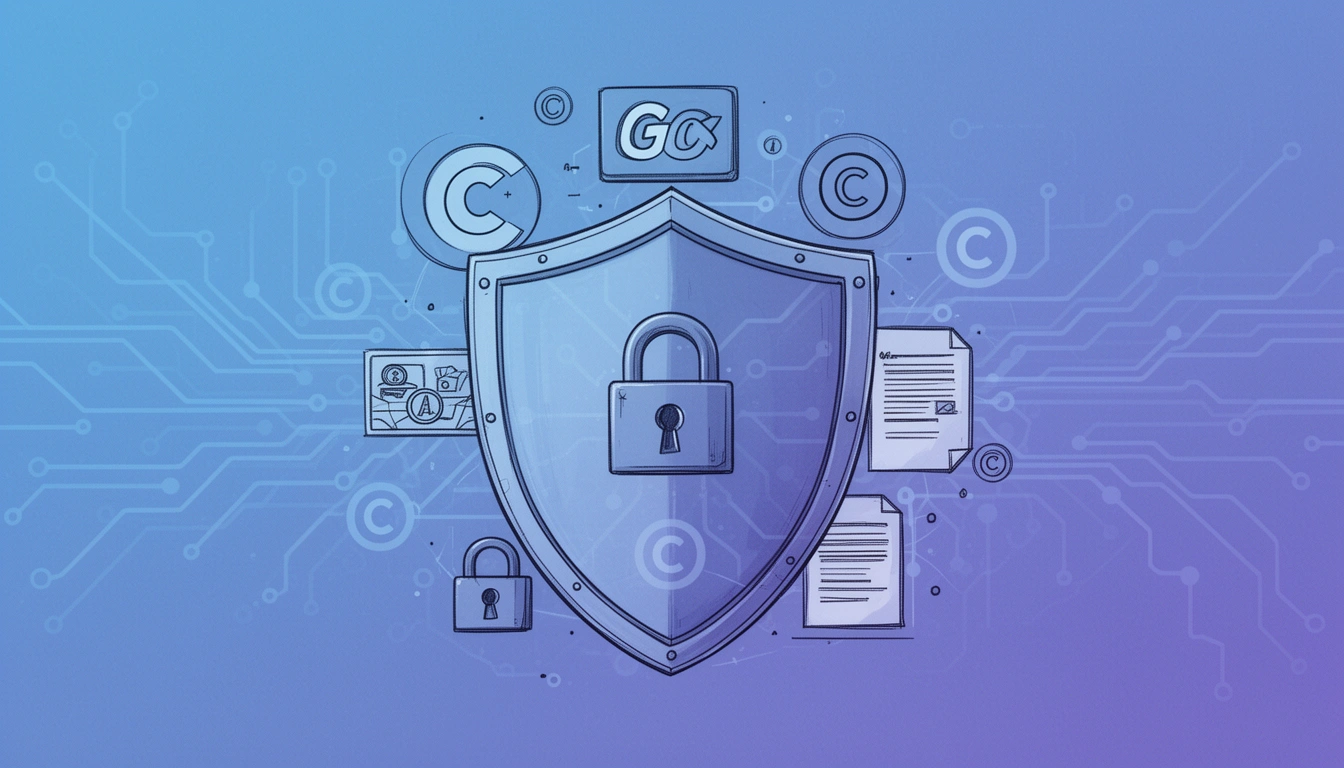
In the age of AI-generated content, copyright protection has become one of the most pressing challenges for brands. As generative AI tools democratize content creation, they also introduce new risks around intellectual property theft, unauthorized asset use, and brand dilution. For growing companies investing heavily in brand development, the question isn't whether copyright matters it's how to protect your brand assets while leveraging AI's velocity.
Brand Kit OS approaches this challenge through a governance-first architecture that treats copyright protection as a foundational layer of AI-powered brand management. Here's how modern brands can safeguard their intellectual property in 2026 and beyond.
The Copyright Crisis in AI Content Generation
The explosion of AI-generated content has created unprecedented copyright challenges. When marketing teams use generative AI without proper guardrails, they risk:
Unauthorized asset reproduction: AI models trained on scraped internet data may inadvertently reproduce copyrighted elements from other brands
Derivative work confusion: When AI generates content based on your brand assets, determining ownership and protection becomes complex
Third-party IP violations: Teams using AI tools may unknowingly incorporate protected fonts, imagery, or design elements
Brand asset leakage: Decentralized content creation increases the risk of proprietary assets being shared outside authorized channels
According to recent industry data, 67% of marketing teams using AI report concerns about copyright compliance, yet only 23% have implemented systematic controls. This gap represents both a legal liability and a competitive vulnerability.
Copyright Protection as a Governance Layer
Traditional brand management treated copyright as a legal afterthought something to address in contracts and terms of service. AI-native platforms must elevate copyright to a core governance function that operates in real-time.
Preventing AI slop requires embedding copyright rules directly into your brand kit architecture. This means:
1. Asset-Level Rights Management
Every brand asset logos, images, fonts, color palettes, templates should include embedded copyright metadata that defines:
Usage permissions (internal only, licensed, public domain)
Modification rights (can AI alter this asset?)
Attribution requirements
Expiration dates for licensed elements
Geographic or channel restrictions
When AI systems access your brand kit through an API, these rules automatically constrain what the model can generate. A font licensed only for print use won't appear in digital AI outputs. A trademarked logo won't be modified beyond approved variations.
2. Provenance Tracking for AI-Generated Assets
One of copyright law's biggest challenges with AI content is establishing ownership and creation history. Modern dynamic brand guidelines software addresses this through comprehensive provenance tracking:
Recording which base assets were used in AI generation
Documenting human inputs, prompts, and creative direction
Timestamping all asset versions and modifications
Maintaining an audit trail of who accessed or shared assets
This creates a defensible chain of ownership critical when copyright disputes arise or when defending your IP against infringement.
3. Third-Party IP Screening
AI models don't inherently understand copyright boundaries. A governance system must actively screen AI outputs against databases of protected works before publication. This includes:
Comparing generated images against stock photo libraries to detect unauthorized similarities
Checking font usage against your licensed font catalog
Flagging copyrighted phrases, taglines, or messaging from competitors
Identifying potential trademark conflicts in logos or naming
Automated compliance checks catch violations before they reach customers, protecting both your brand and your legal standing.
Copyright in the Brand Kit API Era
When you shift from static brand guides to executable AI brand guidelines, copyright protection becomes programmatic rather than policy-based.
Consider this practical example: Your brand uses a custom-licensed illustration style that cost $50,000 to develop. In a traditional workflow, you'd distribute PDFs showing this style and trust that team members won't share it externally or use it inappropriately.
With an API-driven brand kit:
The illustration style exists as parameters within your brand API
AI tools can only access it through authenticated API calls
Usage is logged, limited, and tied to authorized users
The actual asset files never leave your controlled environment
Watermarking or fingerprinting is automatically applied to outputs
This architectural approach makes IP theft significantly harder while maintaining creative velocity for authorized users.
Human-AI Collaboration for Copyright Judgment
While automated systems handle routine copyright compliance, complex edge cases require human expertise and governance. Modern brand management platforms create workflows that escalate copyright questions to qualified reviewers:
Similarity thresholds: When AI-generated content exceeds a certain similarity score to existing works, it triggers human review
High-risk contexts: Assets destined for major campaigns or legal-sensitive uses require legal team approval
Novel creations: Truly original AI-generated assets may warrant their own copyright registration
Fair use assessments: Determining whether competitor references or parody elements qualify as fair use demands legal expertise
The goal isn't to eliminate human judgment it's to deploy it efficiently on the decisions that matter most.
Protecting Your Copyright in AI Training Data
Beyond protecting your outputs, brands must consider whether their proprietary assets are being used to train AI models without permission. The 2024-2026 wave of lawsuits against AI companies has established that:
Using copyrighted works in training data may constitute infringement
Opt-out mechanisms and robots.txt directives may carry legal weight
Licensing agreements for AI training are becoming industry standard
Brand Kit OS implements several protective measures:
Controlled API Access
Rather than exposing brand assets on public web pages where they can be scraped, API-first architecture limits access to authenticated systems. Your brand guidelines inform AI tools without making assets publicly harvestable.
Usage Restrictions in Model Integration
When integrating with AI platforms, explicit licensing terms prevent your brand data from being incorporated into model training or shared with other customers.
Watermarking and Fingerprinting
Embedding invisible markers in distributed assets enables detection if they appear in unauthorized contexts or training datasets.
The ROI of Copyright Protection
Implementing robust copyright governance delivers measurable business value:
Risk mitigation: Avoiding even one copyright lawsuit (average settlement: $150,000-$500,000) justifies significant investment
Asset value protection: Brands invest millions in developing distinctive visual and verbal identities protecting that IP preserves competitive differentiation
Licensing revenue: Proper rights management enables controlled licensing of brand assets to partners or franchisees
Faster approvals: Automated compliance checks eliminate legal review bottlenecks for routine content
Audit readiness: Comprehensive provenance tracking simplifies due diligence for acquisitions or partnerships
For brands scaling consistent and scalable brand management, copyright protection isn't a legal expense it's a strategic asset that enables confident growth.
Building Copyright Protection Into Your Brand Workflow
If you're implementing or upgrading your brand management system in 2026, prioritize these copyright capabilities:
Essential Features
Granular permissions for asset access and modification
Automated copyright metadata tagging for all assets
Integration with stock photo and font licensing databases
Version control with complete audit trails
Compliance checks before content publication
Advanced Capabilities
AI-powered similarity detection against copyrighted works
Automated watermarking and fingerprinting
API access controls with usage monitoring
Integration with legal management systems for complex reviews
Blockchain-based provenance certification for high-value assets
Organizational Practices
Cross-functional governance teams (marketing, legal, IT)
Regular IP audits to identify unprotected or at-risk assets
Employee training on AI copyright risks and compliance workflows
Vendor contracts that specify IP ownership for AI-generated work
Incident response protocols for copyright violations
The Future of Brand Copyright in an AI World
Copyright law is evolving rapidly to address AI realities. Recent developments signal where regulation and technology are heading:
Mandatory disclosure: Requirements that AI-generated content be labeled as such
Training data transparency: Obligations for AI companies to disclose what copyrighted works were used in training
Derivative work clarity: Legal frameworks defining when AI outputs are derivative vs. transformative
Attribution technologies: Standards for embedding creator information in AI training and outputs
Brands that build copyright governance into their systems now will be positioned to adapt as regulations crystallize, while those treating it as an afterthought will face costly retrofitting.
Conclusion: Copyright as Competitive Advantage
In 2026, copyright protection isn't just about avoiding lawsuits it's about preserving the brand differentiation you've invested in building. As AI commoditizes content creation, the brands that maintain distinctive, protected intellectual property will command premium positioning.
Brand Kit OS's governance-first architecture treats copyright as a foundational layer, not a legal constraint. By embedding IP protection into the API that powers your AI content generation, you achieve both velocity and security creating faster while protecting what makes your brand unique.
The brands winning in the AI era won't be those generating the most content they'll be those generating the most protected, distinctive, ownable content at scale. Copyright governance is how you get there.