How to Create a Brand Kit | A Step-by-Step Guide for Businesses
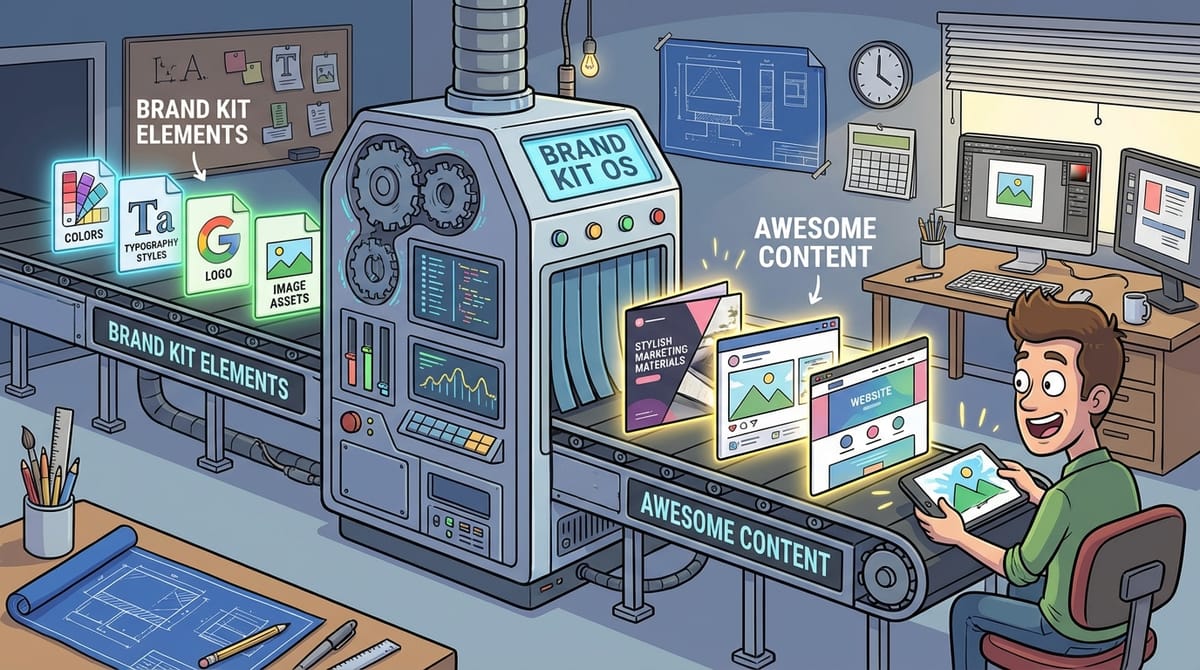
Ever looked at a brand and instantly recognized it—just from its colors or font? That’s the power of a brand kit. A brand kit is a visual toolkit that defines how your brand looks, feels, and communicates.
From your logo and fonts to your color palette and voice, a brand kit keeps everything consistent. Whether you’re a small business or a global enterprise, a brand kit is your blueprint for strong branding.
Understanding the Importance of Brand Consistency
How Brand Consistency Builds Trust
Think of brand consistency as the secret sauce of customer loyalty. When your audience sees the same tone, colors, and visuals across platforms, they start to trust your brand. It tells them you’re reliable and professional.
Real-World Examples of Strong Brand Identity
- Coca-Cola: Instantly recognizable red and white color scheme.
- Apple: Clean design, minimalist tone, and crisp typography.
Nike: Bold fonts, energetic visuals, and that powerful “Just Do It” slogan.
Step 1: Define Your Brand Mission and Vision
Crafting a Compelling Mission Statement
Your mission statement should explain why your brand exists. Keep it short, authentic, and meaningful. For instance, Patagonia’s mission is to save our home planet. It’s bold and clear.
Aligning Vision with Long-Term Goals
Your vision describes where you want your brand to go. It’s your future goal—what you’re striving for. Together, mission and vision form the foundation of your brand kit.
Step 2: Establish Your Brand Personality
Identifying Brand Tone and Voice
Is your brand playful or professional? Luxurious or affordable? Your tone of voice should match your target audience. A fun, casual tone may work for a clothing startup, but not for a financial consultancy.
Choosing Brand Values
Your values reflect what your brand stands for—transparency, innovation, or sustainability, for example. These values should guide your design and messaging decisions.
Step 3: Choose Your Brand Color Palette
The Psychology Behind Colors
Colors evoke emotion.
- Blue builds trust (used by tech and finance brands).
- Red conveys excitement and energy.
- Green symbolizes growth and balance.
Tips for Selecting the Right Colors
Stick to three to five colors—a primary color, a secondary one, and a few accents. Make sure they look good in print and digital formats.
Maintaining and Updating Your Brand Kit
When to Refresh Your Brand Kit
Brands evolve. If your visuals feel outdated or your mission shifts, update your kit. Review it every 12–18 months.
Tips for Keeping It Relevant
- Gather feedback from customers
- Watch competitor trends
- Keep the design timeless but adaptable
Conclusion
Creating a brand kit might seem like a lot of work—but it’s worth every second. It ensures your business looks professional, feels cohesive, and communicates clearly. A solid brand kit doesn’t just make your marketing easier; it builds trust and recognition that lasts for years.
FAQs
1. What should a basic brand kit include? A basic kit includes your logo, color palette, typography, and voice guidelines.
2. How often should I update my brand kit? Ideally, review it every year to keep it aligned with your current brand goals.
3. Can I make a brand kit for free? Yes! Tools like Canva and Looka offer free brand kit templates for small businesses.
4. What’s the difference between a brand kit and a style guide? A brand kit is a quick reference for visuals, while a style guide is a more detailed document covering all aspects of branding.
5. Do small businesses really need a brand kit? Absolutely! Even a simple kit helps you stay consistent and look more professional.