Centralized Brand Guidelines: Build a Single Source
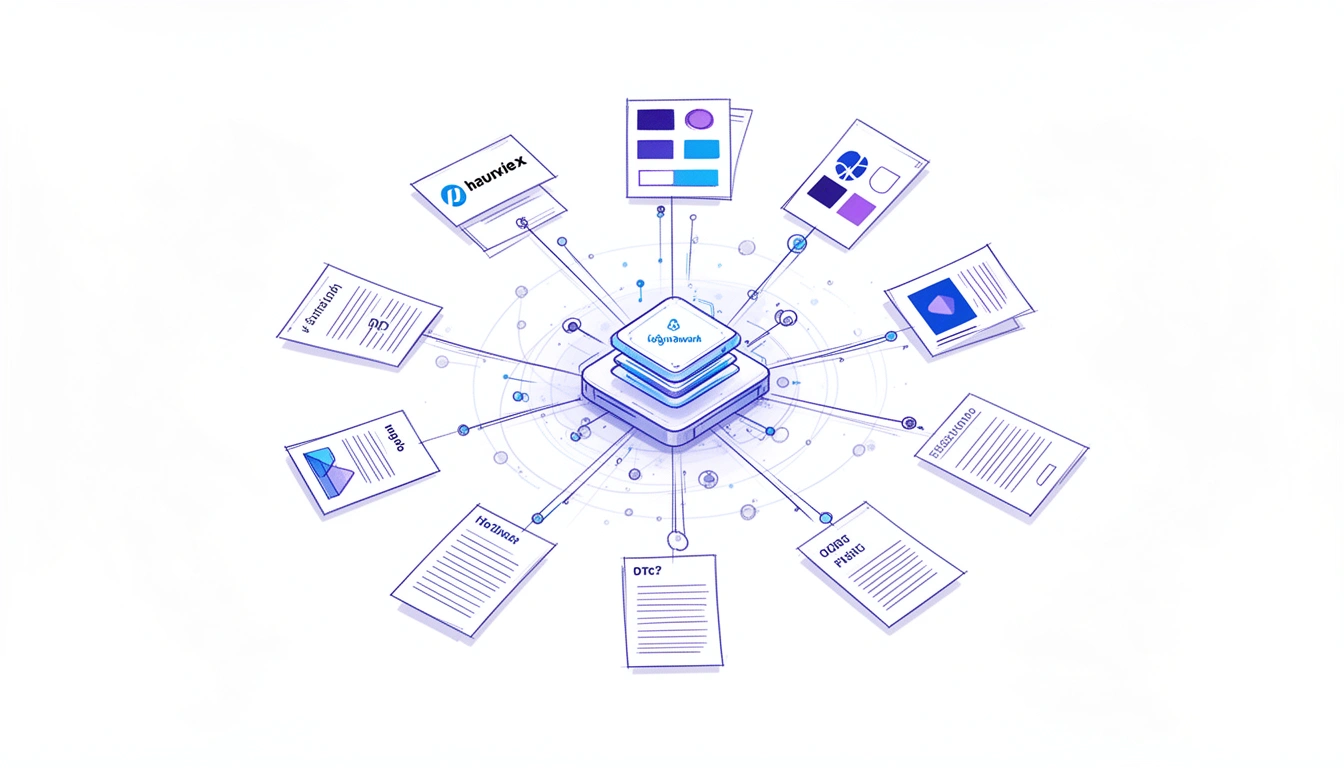
In 2026, the average brand operates across 12+ digital channels, manages content from multiple teams, and produces assets at unprecedented velocity often with AI assistance. Yet despite this complexity, one truth remains constant: brand consistency drives recognition, trust, and revenue. The challenge? Traditional brand guidelines scattered across PDFs, Dropbox folders, and outdated wikis can't keep pace with modern content demands.
Centralized brand guidelines solve this critical problem by consolidating every brand element from logos and color codes to messaging frameworks and AI prompts into a single, accessible source of truth. This shift from fragmented documentation to unified brand governance isn't just organizational housekeeping; it's the foundation for scaling brand consistency across every touchpoint, team member, and AI-generated asset.
What Are Centralized Brand Guidelines?
Centralized brand guidelines are a unified repository where all brand assets, rules, and standards live in one accessible platform. Unlike static PDFs that become outdated the moment they're shared, centralized systems provide dynamic, real-time access to:
- Visual identity elements: Logos (primary, secondary, variations), color palettes with exact hex/RGB/CMYK values, typography specifications, and icon libraries
- Messaging architecture: Brand voice, tone guidelines, messaging frameworks, value propositions, and approved terminology
- Asset libraries: Photography styles, illustration guidelines, video templates, and approved stock resources
- Usage rules: Logo clearspace requirements, color combinations to avoid, accessibility standards, and platform-specific adaptations
- AI governance parameters: Approved prompts, style references, output validation criteria, and AI slop prevention protocols
The centralized approach transforms brand guidelines from reference documents into operational systems that power daily workflows.
Why Traditional Brand Guidelines Fall Short
The 60-page PDF brand guide served its purpose in 2010. In 2026, it creates more problems than it solves:
Version control chaos: Teams work from different versions, creating inconsistencies. Marketing uses the Q3 2025 guide while Sales references outdated 2024 materials, leading to misaligned messaging across customer touchpoints.
Accessibility barriers: Guidelines buried in shared drives require hunting through folders. New team members spend hours searching for the correct logo file, while agencies request assets repeatedly because they can't find previous emails.
Static limitations: PDFs can't demonstrate interactive elements, motion graphics, or video brand applications. They also can't integrate with the AI tools that now generate 40-60% of brand content.
Update friction: Refreshing a PDF means redesigning pages, re-exporting files, and re-distributing to dozens of stakeholders. By the time everyone has the new version, elements have already changed again.
No enforcement mechanism: PDFs provide suggestions, not guardrails. There's no system to flag off-brand colors, prevent logo misuse, or validate AI-generated content against brand standards before publication.
The Business Case for Centralization
Centralizing brand guidelines delivers measurable returns across multiple dimensions:
Time Savings and Efficiency
Teams spend 30% less time searching for assets and clarifying brand standards when everything lives in one searchable platform. Designers access approved templates instantly. Copywriters reference messaging frameworks without Slack threads asking "What's our stance on [topic]?" Marketing agencies onboard in days instead of weeks.
Consistency Across Channels
When everyone works from the same source, brand consistency strengthens across channels. Your Instagram posts, email campaigns, product packaging, and sales presentations all reflect the same visual language and messaging architecture. This consistency builds recognition studies show consistent branding increases revenue by up to 23%.
Reduced Review Cycles
Centralized guidelines with built-in compliance checking catch errors before human review. Automated validation flags incorrect logo usage, off-brand color schemes, or tone mismatches, reducing review rounds from 3-4 iterations to 1-2. This acceleration matters when you're producing hundreds of assets monthly.
Better AI Governance
As AI generates increasing content volumes, centralized guidelines become the training ground for maintaining brand consistency in AI-generated content. Your brand standards feed directly into AI prompts, style references, and output validation ensuring ChatGPT, Midjourney, or custom models produce on-brand results from the first draft.
Key Features of Effective Centralized Brand Guidelines
Not all centralization delivers equal value. The most effective systems include:
1. Single Source of Truth
Every brand element lives in one platform with clear versioning. When the design team updates the color palette, everyone sees the change immediately. No duplicate files, no conflicting information, no "which version is correct?" confusion.
2. Role-Based Access Control
Different stakeholders need different access levels. Designers require editable source files. Marketing teams need export-ready assets. External agencies should access approved materials without editing capabilities. Effective systems manage these permissions seamlessly.
3. Real-Time Updates
Brand evolution happens continuously. Centralized platforms push updates instantly new messaging launches, refreshed visuals, seasonal campaign assets ensuring teams always work with current materials.
4. Integration Capabilities
Your brand guidelines shouldn't exist in isolation. The best systems integrate with design tools (Figma, Adobe CC), content platforms (WordPress, HubSpot), and AI services, creating seamless workflows from guideline to execution.
5. Automated Compliance Checking
Proactive systems validate content against brand standards automatically. Before publishing, the platform checks: Are these the approved brand colors? Is the logo sized correctly? Does the messaging match our tone guidelines? This automation prevents errors rather than catching them post-publication.
6. Asset Management and Distribution
Beyond guidelines, centralized systems manage asset libraries with search, tagging, and easy distribution. Need the product shot with blue background in 1080x1080 for Instagram? Find it in seconds, properly formatted and rights-cleared.
Implementing Centralized Brand Guidelines: A Practical Roadmap
Transitioning from scattered documents to centralized guidelines requires strategic planning:
Phase 1: Audit and Consolidate (Weeks 1-2)
Inventory every existing brand asset and guideline document. Gather PDFs, style guides, asset folders, presentation templates, and tribal knowledge from long-tenured team members. Identify gaps, conflicts, and outdated materials.
Phase 2: Define Your System Architecture (Week 3)
Determine how to organize your centralized guidelines. Common structures include:
- By asset type (Visual Identity, Messaging, Templates, Media)
- By use case (Digital Marketing, Sales Materials, Product Design, Events)
- By audience (Internal Teams, Agency Partners, Media/Press)
Choose the architecture that matches how your teams actually work.
Phase 3: Select Your Platform (Week 4)
Evaluate solutions based on your specific needs. Consider factors like team size, technical capabilities, AI integration requirements, and budget. For brands serious about AI-era governance, platforms like Brand Kit OS offer AI-native architecture designed for this exact challenge.
Phase 4: Migration and Setup (Weeks 5-8)
Upload assets, document guidelines, configure permissions, and establish workflows. This phase requires cross-functional collaboration designers provide assets, marketing defines messaging standards, leadership approves governance rules.
Phase 5: Training and Adoption (Weeks 9-10)
Roll out the new system with comprehensive training. Create quick-start guides, host workshops, and identify brand champions in each team to support adoption. The best guidelines are worthless if people don't use them.
Phase 6: Continuous Optimization (Ongoing)
Monitor usage patterns, gather feedback, and refine your system. Which assets get downloaded most? Where do compliance issues still occur? Use data to continuously improve your centralized guidelines.
Centralized Guidelines in the AI Content Era
The explosion of AI-generated content makes centralized brand guidelines more critical than ever. When your team produces 10x more content with AI assistance, manual brand review becomes impossible. Centralized systems solve this by:
Feeding AI with brand context: Your guidelines become inputs for AI tools. Instead of generic prompts, teams use brand-informed prompts that reference your specific visual style, tone, and messaging architecture.
Validating outputs automatically: AI-generated content gets checked against centralized brand standards before publication. Color schemes, logo usage, messaging consistency all validated programmatically.
Creating brand APIs: Advanced platforms like Brand Kit OS treat your guidelines as executable APIs. AI services call these APIs to ensure every generated asset, copy block, or visual adheres to your brand standards in real-time.
This approach transforms brand guidelines from reference documents into active governance systems that work at AI speed and scale.
Common Challenges and Solutions
Challenge: "Our brand is too complex to centralize."
Solution: Complexity actually increases the need for centralization. Start with core elements (logos, colors, key messaging) and expand gradually. Phased implementation manages complexity better than maintaining scattered systems.
Challenge: "Teams won't adopt another tool."
Solution: Focus on integration rather than replacement. Connect centralized guidelines with tools teams already use Figma, Adobe, Slack, content platforms. Make guidelines accessible within existing workflows.
Challenge: "Our brand evolves too quickly for static guidelines."
Solution: That's precisely why you need dynamic, centralized guidelines instead of static PDFs. Cloud-based systems update in real-time, supporting brand evolution rather than hindering it.
Challenge: "We don't have resources to maintain this."
Solution: Centralization actually reduces maintenance burden. Instead of updating guidelines in 15 different places, you update once in the central system. Automation handles distribution and validation.
Measuring Success: KPIs for Centralized Brand Guidelines
Track these metrics to quantify the value of centralization:
- Time to asset: How long does it take team members to find and access needed brand assets? Target: under 2 minutes
- Brand compliance rate: What percentage of published content meets brand standards? Monitor improvement over time
- Review cycle duration: How many rounds of review do assets require? Centralized guidelines should reduce this
- Onboarding time: How quickly can new team members or agency partners start producing on-brand content? Target: 1 day for basics, 1 week for advanced
- Asset reuse rate: How often do teams reuse existing branded assets versus recreating them? Higher reuse indicates better accessibility
- Support ticket volume: Track brand-related questions and asset requests. Effective centralization reduces these inquiries
The Future of Centralized Brand Guidelines
Looking ahead, centralized brand guidelines will continue evolving from passive documentation to active brand intelligence systems. Expect to see:
Predictive brand intelligence: AI analyzing brand asset usage patterns to predict needs, suggest optimizations, and flag emerging inconsistencies before they become problems.
Multi-modal governance: As brands expand into voice, AR/VR, and emerging channels, centralized systems will govern brand consistency across modalities visual, audio, spatial, and interactive.
Automated brand evolution: Systems that track brand perception, competitive positioning, and market trends, suggesting guideline updates to keep brands relevant and differentiated.
Deeper AI integration: Brand guidelines that don't just inform AI but actively govern it, with executable brand rules that AI systems must follow, enforced at the infrastructure level.
Taking the First Step
Centralized brand guidelines aren't a luxury for enterprise brands they're a necessity for any organization serious about brand consistency in 2026. Whether you're a 5-person startup or a global enterprise, the principles remain the same: consolidate your brand truth, make it accessible, keep it current, and use it to govern every brand touchpoint.
Start small if needed. Centralize your core visual identity this month. Add messaging frameworks next month. Expand to asset libraries the month after. Each step compounds, building toward comprehensive brand governance that scales with your growth and adapts to the AI-driven content landscape.
The brands that thrive in the coming years won't be those with the most content or the fastest AI tools. They'll be the ones with the strongest brand foundation centralized, accessible, and executable. Your guidelines aren't just documentation; they're the operating system for your brand. Make sure they're built for the era ahead.