Brand Consistency in 2026: AI Governance Solutions

Brand consistency isn't just about using the same logo or color palette anymore. In 2026, with AI churning out thousands of brand touchpoints daily, consistency has shifted from a design task to a governance problem. Here's how brands actually keep it together at scale and why the old playbook doesn't work.
The New Reality: Brand Consistency at AI Velocity

Your brand is everywhere. AI tools write social posts, email campaigns, landing pages, video scripts, customer service replies often without a human glancing at them. Each output is a potential brand moment. Each one risks going off-script.
Those 50-page brand guideline PDFs buried in shared drives weren't built for this. They assume human judgment at every step. They expect designers and marketers to internalize rules and apply them consistently. That worked when you published 10 pieces of content a week. It falls apart when you're generating 100 pieces a day across channels and teams.
More touchpoints × more creators = fragmentation risk. Without systematic controls, your brand splits into dozens of slightly different versions, each one chipping away at recognition and trust.
Why Manual Reviews Don't Scale
Most teams try to solve this with approval workflows. Draft content, submit for review, get feedback, revise, repeat. This worked before AI because content volume was manageable.
Now it's a chokepoint. Marketing creates faster than the brand manager can review. AI tools spit out variations faster than humans can assess. The queue backs up, deadlines force reviewers to skim, and off-brand content slips through.
Different reviewers also apply guidelines differently. One person reads "conversational tone" one way, another reads it another way. What passes on Monday gets rejected Wednesday because someone else is reviewing. The guidelines exist, but their application is subjective.
Manual review also happens too late. You've already spent time creating something before learning it doesn't fit. Rework wastes resources and frustrates creators aiming at moving targets.
What Actually Works: Three Connected Systems
Consistency in 2026 needs centralized guidelines, automated validation, and feedback loops. Miss one and the structure wobbles.
Centralized Brand Intelligence
Every brand decision should pull from a single source of truth. Not a PDF on someone's desktop. Not the "latest version" buried in email. A living system that holds voice, visual identity, messaging frameworks, and compliance rules in structured, accessible formats.
This centralized brand guidelines system becomes the foundation. When your social media manager needs to describe your product, they query it. When AI tools generate content, they reference it programmatically. When new team members join, they find the current brand truth immediately.
Centralization kills version-control chaos. No confusion about which guideline is current. Updates push instantly to every tool and person relying on that information.
Automated Brand Validation
The second piece shifts governance from reactive review to proactive prevention. Instead of catching problems after creation, automated systems flag issues during creation or stop off-brand outputs before they exist.
Automated brand compliance works like spell-check for your brand. Real-time validation checks tone, terminology, visual usage, compliance rules as content is drafted. Creators get immediate feedback and fix issues on the spot.
This cuts rework. Instead of discovering problems at final review, creators learn in-context what's off-brand and why. Over time, they build intuition and create on-brand content independently.
Automation also scales without complaint. Whether you're generating 10 pieces or 10,000, the system applies rules consistently no bottlenecks, no subjective interpretation.
Continuous Learning Systems
Brands change. Language trends shift, audience preferences move, competitors evolve. Static guidelines start decaying the moment they're published.
You need feedback loops that capture what's working. When certain messaging resonates, that insight should inform future guidelines. When AI tools keep generating content that needs correction, those patterns should trigger rule refinements.
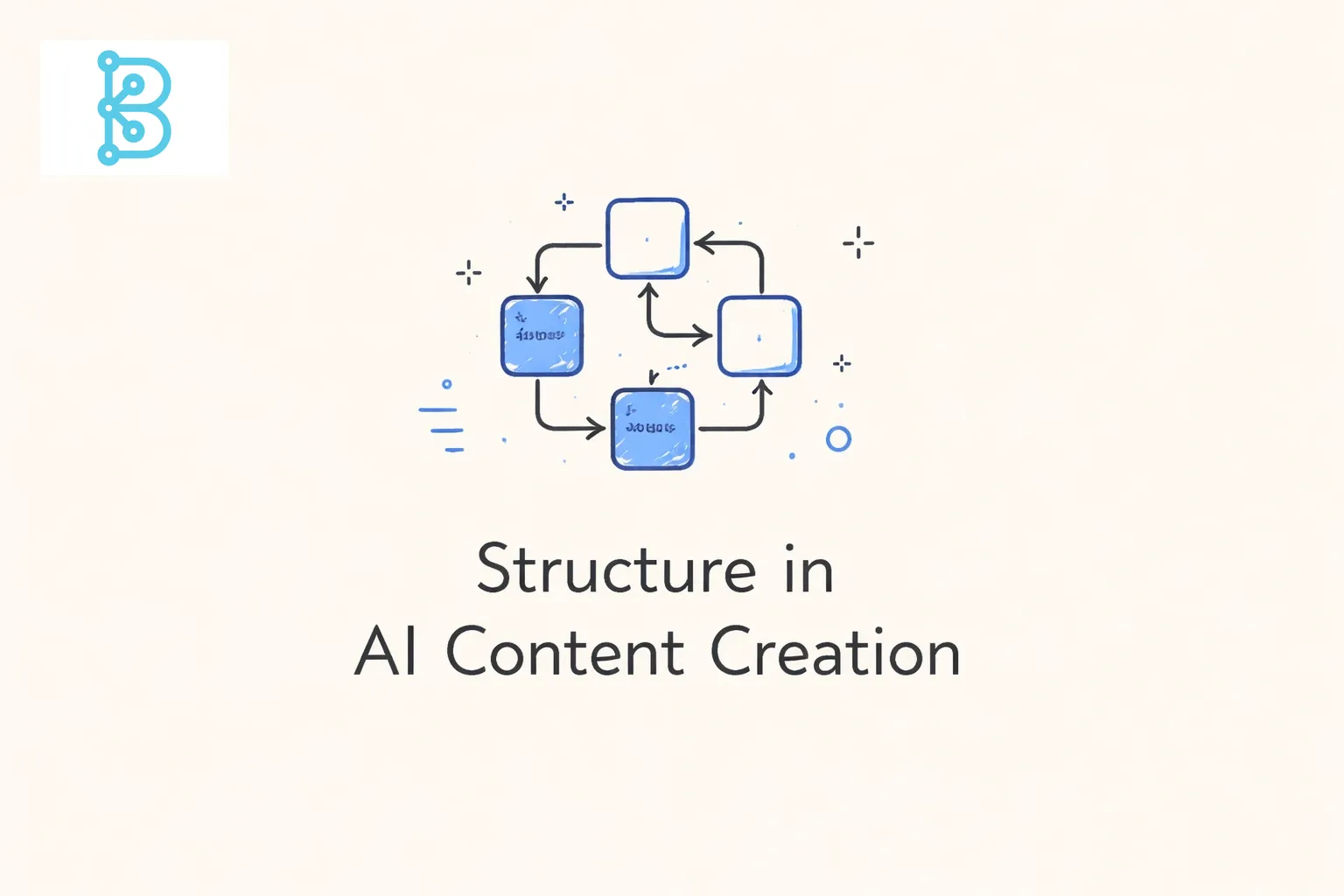
Guidelines inform creation. Creation generates performance data. Data refines guidelines. The system gets smarter over time, adapting to market reality while keeping core identity intact.
Building Something That Works

Theory is fine. Implementation decides whether this actually functions.
Start With Brand Extraction
Before enforcing consistency, you need to know what it means for your brand. Document your current state: What voice do you actually use with customers? What visual patterns show up across your properties? What messages land in your best content?
Many teams skip this and jump to aspirational guidelines. They define the brand they want instead of the brand they have. Immediate disconnect guidelines describe one thing, outputs reflect another.
Extract reality from existing content. Analyze website copy, social posts, email campaigns, customer service interactions. Identify patterns in language, structure, messaging. This is your baseline.
Define Rules, Not Aspirations
Traditional guidelines describe desired attributes: "Our tone is friendly and approachable." That requires interpretation. Rules specify enforceability: "Avoid jargon terms [list]. Use contractions. Limit sentences to 20 words max. Always address the reader as 'you'."
Rules enable automation. When you define specific, measurable criteria, you can build systems that validate compliance automatically.
Create a negative directory of forbidden terms, phrases, patterns. Document required elements for different content types. Specify decision criteria for subjective judgments. Concrete rules get applied consistently by humans and AI.
Integrate Validation Into Workflows
Consistency checks shouldn't happen after content is finished. Build validation into the tools where content gets made. If your team uses specific platforms for AI content generation, those platforms should reference brand rules in real-time.
Think about guidelines as executable code, not reference documents. Export them in formats AI systems can consume: structured data, API endpoints, knowledge files that integrate with tools.
For teams across multiple platforms, brand compliance automation systems provide the connective layer. They maintain rules centrally and expose them wherever content is created ChatGPT, Claude, design tools, custom platforms.
Match Review Intensity to Risk
Not every piece of content carries equal brand risk. An internal memo needs less scrutiny than a public campaign. An experimental social post has different stakes than homepage copy.
Tier your review process. Low-risk content gets automated validation only if it passes rules, it publishes. Medium-risk gets lightweight human review focused on strategic fit. High-risk undergoes thorough review by senior stakeholders.
This keeps brand teams focused on decisions that matter rather than drowning in approval requests. Most content moves fast; critical touchpoints get appropriate scrutiny.
Measuring Consistency: Beyond Gut Feel
You can't improve what you don't measure. Most organizations assess consistency through subjective impressions. "It feels more consistent lately" isn't actionable data.
Try quantifiable indicators:
Compliance rates: What percentage passes brand validation on the first try? Track trends and identify violation patterns. If certain rules break consistently, they need refinement.
Review cycle time: How long does content spend in approval workflows? Increasing time signals problems reviewers need more back-and-forth. Decreasing time suggests creators are improving.
Brand drift metrics: Periodically analyze published content for deviation from core attributes. Are certain terms appearing more or less? Is sentence complexity changing? Quantitative analysis catches drift that subjective review misses.
Creator self-sufficiency: How often do creators escalate brand questions versus solving them independently? Improving self-sufficiency shows your system works guidelines are clear enough that people apply them without constant help.
Audience recognition: Run periodic research asking your audience to identify your brand from content samples. If recognition drops, consistency efforts aren't translating externally.
Mistakes I See Teams Make
Even organizations committed to consistency hit these predictable traps:
Overcomplicating guidelines: 100-page brand manuals overwhelm. People won't reference documents they can't navigate quickly. Distill to essential rules with examples.
Treating consistency as design-only: Visual consistency matters but isn't enough. Writing style, messaging priorities, content structure all communicate brand. Address everything.
Separating brand from operations: Many treat brand as a separate department that occasionally reviews marketing. This creates friction and slows execution. Embed validation into workflows directly.
Ignoring AI training: Your AI tools ChatGPT, Claude, custom models need explicit brand training. They won't absorb brand by osmosis. Export guidelines to formats they can reference, or use platforms built for AI brand governance.
Chasing perfection: Perfect adherence to every rule is impossible. Focus on consistency across elements that matter most to audience perception. Accept minor variation elsewhere.
AI as Part of the Solution

AI creates brand consistency challenges, but it's also the strongest tool for solving them. The key: implement AI as a governance mechanism, not just a creation engine.
Brand-aware content generation: Instead of generic AI tools hoping for on-brand outputs, use systems that reference your specific guidelines during generation. Tools like Claude Skills can be trained on brand documentation to produce consistent content from the start.
Automated compliance checking: AI excels at pattern recognition. Use it to scan content for violations before human review. Catches tactical errors instantly, frees reviewers for strategic quality.
Brand drift detection: AI can analyze large content volumes to spot subtle erosion over time. It notices when phrases become more common or visual styles gradually shift changes too slow for humans to catch.
Personalization within constraints: One of consistency's biggest tensions is balancing uniformity with personalization. AI can generate variations for different audiences and channels while maintaining core attributes. It finds the space between rigid templates and total free-form creation.
Culture Sustains What Technology Enables
Technology enables consistency. Culture sustains it. Without organizational commitment, even the best systems decay into unused tools and ignored guidelines.
Make brand a shared responsibility. It's not just the brand team's job. Every creator from executives to social coordinators owns stewardship. When everyone understands their role, enforcement becomes decentralized.
Celebrate consistency wins. Highlight excellent brand execution. When someone creates compelling content that embodies your brand, showcase it. Reinforces what good looks like.
Provide clear escalation paths. People will hit situations where guidelines conflict or don't address their use case. Create obvious channels for quick answers. Unanswered questions lead to guessing, which creates inconsistency.
Invest in education. Don't assume people get brand intuitively. Onboarding should include brand training. Regular refreshers keep it top-of-mind. Make resources easy to find.
Update guidelines based on actual usage. If people consistently struggle with certain guidelines or work around them, pay attention. They may be unclear, impractical, or out of step with reality. Adjust based on how people create, not theoretical ideals.
What's Coming
Brand consistency demands will intensify as AI integrates deeper into content operations. Volume grows. Platforms multiply. Traditional approaches built for slower environments will fail.
Organizations treating consistency as a strategic capability investing in systems, automation, culture will maintain coherent identities that build recognition and trust. Those treating it as a tactical design concern will fragment into incoherent content that never compounds into brand equity.
The tools exist now. Brand Kit OS and similar platforms built for AI-era governance make consistency possible without sacrificing speed. They transform guidelines from reference documents into executable systems that actively prevent drift.
Start today. Document your current brand reality, define governance rules, implement automated validation in creation workflows, establish feedback loops. The sooner you shift from reactive review to proactive governance, the sooner you'll see compound benefits.
Brand consistency in 2026 isn't about perfection. It's about systematic reliability ensuring every touchpoint reinforces rather than fractures your identity. Build the system. Watch recognition strengthen as consistency compounds.