Best Brand Kit Software in 2026 | Features, Pricing, and Comparisons
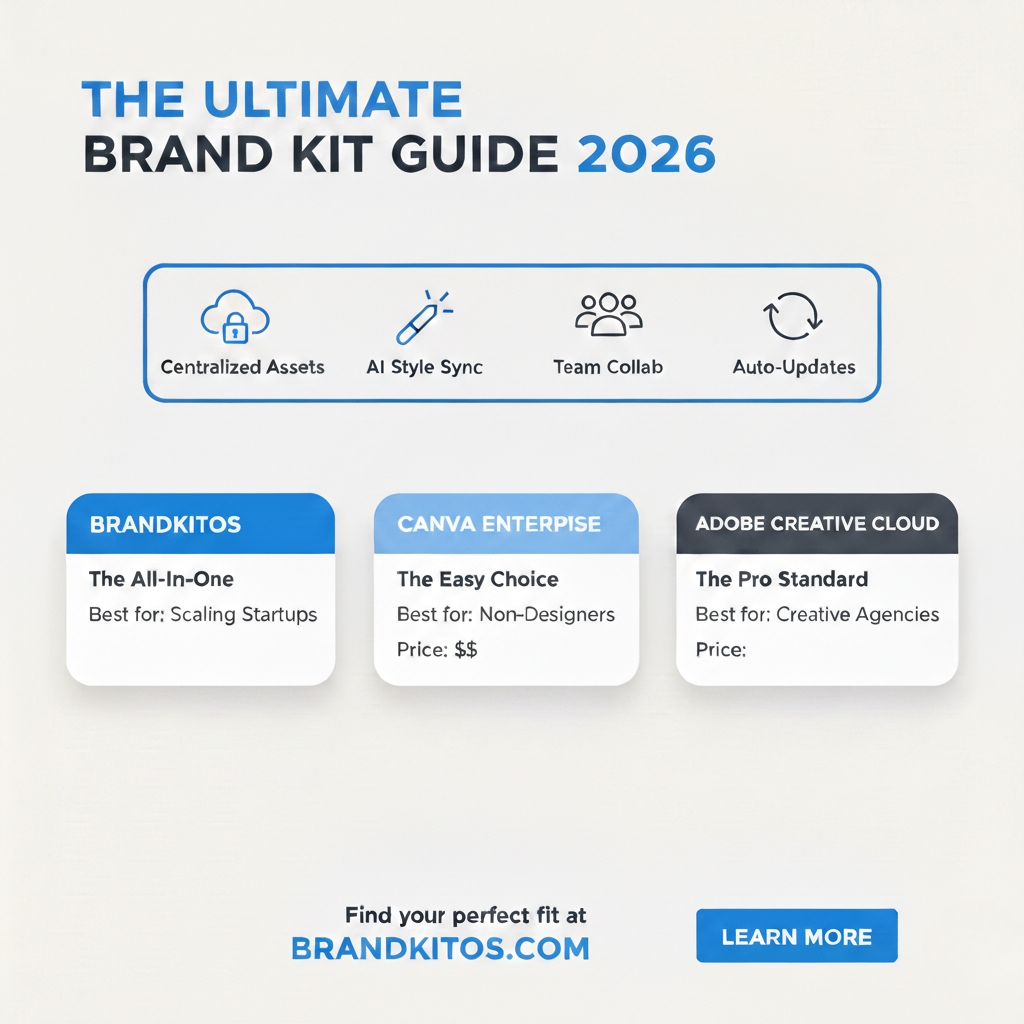
In today’s competitive digital landscape, creating a consistent and powerful brand presence is no longer optional — it’s essential. Whether you’re launching a startup or strengthening your existing identity, the right brand kit software can make your efforts faster, smarter, and more scalable. In this comprehensive guide, we’ll explore the best brand kit software in 2026, key features to look for, pricing breakdowns, and how to choose the right solution for your needs — including fast brand setup tools for startups, brand guidelines platforms, and personal branding toolkits.
What Is Brand Kit Software?
Brand kit software is a centralized platform that helps businesses organize, store, and share all elements of their visual identity — including logos, colors, fonts, style guides, messaging, and templates. Think of it as a digital brand command center that keeps your team aligned and your brand consistent across every touchpoint.
With so many options emerging in 2026, brands now have tools that go beyond asset storage to deliver collaborative workflows, automation, and brand analytics.
Why You Need Brand Kit Software in 2026
In an era where attention spans are short and competition is fierce, brand consistency matters more than ever. Here’s why investing in a brand kit platform is critical:
Faster Onboarding: New team members instantly access everything they need — saving hours of back-and-forth.
Improved Consistency: Design and messaging stay uniform across campaigns, products, and regions.
Team Collaboration: Shared guidelines and templates reduce confusion and revisions.
Scalability for Growth: As your business expands, your brand can scale without breaking.
These benefits make brand kit software especially valuable as fast brand setup tools for startups and based brand management tools for growing companies.
Top Brand Kit Software in 2026
Below is a curated list of the best brand kit software in 2026, based on features, ease of use, pricing, and brand support capabilities.
1. BrandKitos – Best All-Around Brand Kit Software
BrandKitos (your site) stands out in 2026 as a complete brand guidelines platform that empowers teams large and small.
Key Features.
Centralized asset library
Automated brand guidelines creation
Shareable templates and style guides
Real-time collaboration tools
Brand usage analytics
Why It’s Great
BrandKitos excels at guiding startups and enterprises through how to create a brand kit with intuitive interface and step-by-step workflows. The platform enhances collaboration and reduces brand deviation — perfect for distributed teams.
Pricing
Starter Plan – Ideal for Solo Founders
Team Plan – For Small to Mid-Size Businesses
Enterprise Plan – Customized for Large Organizations
Best Fit For
Teams and founders who want an all-in-one brand ecosystem without multiple subscriptions.
2. Frontify – Powerful Brand Guidelines Platform
Frontify continues to be a top choice for established brands seeking robust brand governance.
Key Features
Advanced style guide editor
Asset management with version control
Integrations with creative tools
Multi-brand support
Why It’s Great
Frontify is widely regarded as one of the most comprehensive brand guidelines platforms on the market — perfect for brands with complex needs and large creative teams.
Pricing
Tiered subscription based on users and features; enterprise pricing available.
Best Fit For
Mid-to-large companies with extensive brand assets and strict governance requirements.
3. Canva Brand Kit – Fast Brand Setup for Startups
Canva Brand Kit is ideal for startups and small businesses needing fast brand setup tools for startups with a minimal learning curve.
Key Features
Upload logo, colors, fonts
Instantly apply brand styles to designs
Pre-built templates for social, web, and print
Why It’s Great
Canva makes it easy for non-designers to create and maintain a brand kit without advanced skills. The drag-and-drop simplicity ensures teams never lose brand consistency when publishing assets.
Pricing
Included in Canva Pro Subscription.
Best Fit For
Startups, freelancers, and small teams looking for simplicity and speed.
4. Milanote – Visual Personal Branding Toolkit
For professionals building their personal branding toolkit, Milanote offers a flexible and visually rich workspace.
Key Features
Visual boards for brand assets
Notes and mood boards
Collaborative planning tools
Why It’s Great
Milanote is perfect for creatives and entrepreneurs who want a workspace that combines strategy, inspiration, and asset organization in one place.
Pricing
Free and paid plans available.
Best Fit For
Personal brands, designers, and strategists looking for visual brand planning tools.
5. Front Runner – Brand Asset Organization + Workflows
Front Runner is one of the emerging all-in-one brand management tools that combines asset storage with workflow automation and usage tracking.
Key Features
Brand library
Task workflows
Usage analytics and reporting
API integrations
Why It’s Great
FrontRunner makes it easy to enforce brand usage rules while automating repetitive tasks — ideal for teams that produce a high volume of branded content.
Pricing
Standard and professional tiers.
Best Fit For
Growing companies with expanding content demands and cross-functional teams.
How to Choose the Best Brand Kit Software in 2026
When evaluating options, keep these key criteria in mind:
1. Ease of Use
The best systems offer intuitive dashboards and straightforward setup so teams don’t need specialized training.
2. Brand Governance
Look for tools that help enforce brand guidelines with clear rules, templates, and alerts.
3. Collaboration & Sharing
Your software should enable seamless team workflows — including comments, version history, and shared libraries.
4. Pricing & Scalability
Consider your current needs and future growth. Flexible pricing plans help you scale without overspending.
5. Integration Support
Software that connects with your design apps, DAM systems, and workflow tools saves time and prevents silos.
How to Create a Brand Kit (Step-by-Step)
Here’s a simple roadmap to building your own effective brand kit using brand kit software:
Collect Core Elements: Logo files, color codes, typography, imagery
Define Brand Voice & Messaging: Tagline, tone, and mission statement
Set Usage Rules: Logo spacing, color hierarchy, font pairings
Organize Templates: Social posts, presentations, email headers
Invite Team Members: Ensure access and permissions
Review Regularly: Update as your brand evolves
Following these steps with the right platform ensures consistency and reduces miscommunication across teams.
Conclusion
In 2026, selecting the best brand kit software is critical for achieving brand clarity, consistency, and growth. Whether you need fast brand setup tools for startups like Canva, a powerful brand guidelines platform like Frontify, or a complete ecosystem like BrandKitos, the right solution can transform how your brand is experienced internally and externally.
Invest in a tool that fits your team’s size, workflow, and long-term vision — because building a strong brand today paves the way for success tomorrow.